
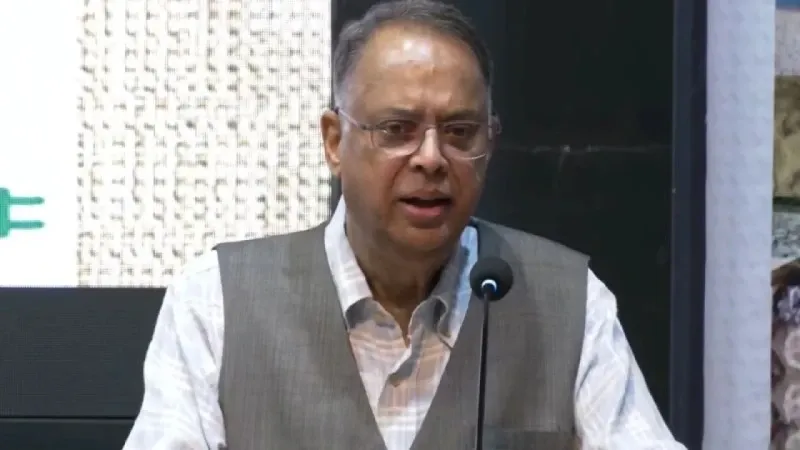
Running a national utility infrastructure under the shadow of a massive financial crater is a daunting reality. On Tuesday afternoon, Power, Energy, and Mineral Resources Minister Iqbal Hasan Mahmud Tuku laid bare the stark condition of Bangladesh’s power sector, revealing that ousted former Prime Minister Sheikh Hasina left behind a crippling debt of Tk 56,000 crore.
Speaking as the chief guest at an exchange meeting held in the Shaheed Shamsuddin Conference Room of the Sirajganj Deputy Commissioner’s office, the minister highlighted the intense daily pressure of managing this inherited financial burden.
“Hasina left behind arrears of Tk 56,000 crore in the power division alone. I am running the power ministry with this massive debt hanging over us,” Tuku stated.
The tension of this deficit is a daily operational challenge, with major suppliers knocking at the door. “Domestic and foreign creditors keep calling,” the minister explained. “Even Adani calls demanding payment for their bills, and we are the ones who have to somehow manage the funds to pay them.”
Despite the grim financial picture in the energy sector, the minister used the platform to pivot toward the current government’s broader strategy for national recovery, placing a heavy emphasis on human capital and systemic reform.
“A nation can only rise if its people are educated,” he noted, signaling a major policy shift. “Coming into the government this time, we have made a firm decision—we will allocate approximately 5 percent of our GDP to the education sector.”
To underline the importance of pragmatic, results-driven educational policies, Tuku recalled the success of past administrative initiatives. He specifically pointed to former Prime Minister Begum Khaleda Zia’s landmark “Food for Education” program, which he credited with effectively curbing student drop-out rates and yielding tangible results for the nation’s youth.

Discussion
No published comments yet. Be the first to join the discussion.