-
- Primary energy imports rise to 62.5 %
- Power generation costs surge by 83 %
- Renewables account for only 2.3 % generation
Bangladesh’s reliance on primary energy imports rose from 47.7% to 62.5 % in four years, leaving the country exposed to volatile global fossil fuel markets. As a result, power generation costs have gone up by 83%, according to a new report.
The report, “Fostering Bangladesh’s Energy Transition,” published by the Institute for Energy Economics and Financial Analysis (IEEFA), analysed data from FY2020-21 to FY2024-25.
A 290 % surge in average coal prices between FY21 and FY23, compounded by elevated oil prices and sharp taka depreciation, drove generation costs sharply higher, the report finds.
Despite a 59.7 % fall in coal prices since FY23 and subdued oil prices, costs did not ease in FY25. Capacity payments were a key factor.
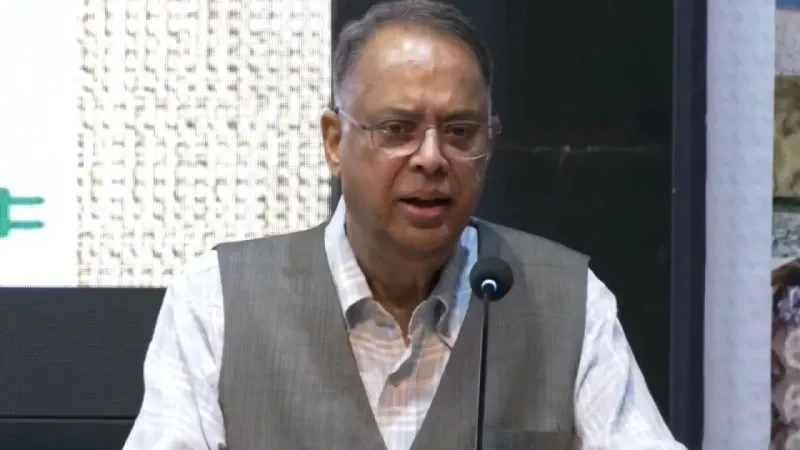
“The average capacity payments of approximately Tk 9.5/kWh ($0.077/kWh) and Tk 5.9/kWh ($0.048/kWh) paid to private oil- and coal-fired plants, respectively, in FY25 raised overall generation costs,” said IEEFA lead energy analyst and report author Shafiqul Alam.
Gas supply shortages added further pressure, with plants operating below 25 % load factor generating power at Tk 16.85/kWh ($0.137/kWh), against Tk 6/kWh ($0.049/kWh) for those running at around 75 % load.
Declining domestic gas output means Bangladesh must rely increasingly on imported liquefied natural gas (LNG).
The report estimates the country could pay $1.07 billion (Tk 131.34 billion) in LNG import subsidies between April and June 2026, based on import trends from the same period in 2025 and an import price of around $20 per million British thermal units (MMBtu), excluding regasification costs.
Renewable energy accounts for just 2.3 % of grid-based generation against a global average of around 33.8 %.
The report estimates 100 megawatts of combined rooftop solar capacity would save more than 30 times its one-off import duties over its lifecycle by cutting furnace oil use, and calls for a duty waiver on distributed renewable energy systems.
The report also urges Bangladesh to tap hydropower under the Bangladesh-Bhutan-India-Nepal (BBIN) framework.
A combined 6,000MW from Nepal and Bhutan during the peak March-September period could cut annual gas consumption by up to 257 billion cubic feet post-2030.
The IEEFA noted that industrial electricity consumption rose 4.8 % in FY25, countering utility fears that open-access corporate power purchase agreements would erode revenues.Bangladesh Power Development Board recorded revenue shortfalls of Tk 556.6 billion ($4.53 billion) in FY25.
“The pathway to energy transition hinges on prudent policy decisions supported by a favourable ecosystem, minimising continued reliance on imported fossil fuels and high subsidies,” Alam said.


Discussion
No published comments yet. Be the first to join the discussion.