
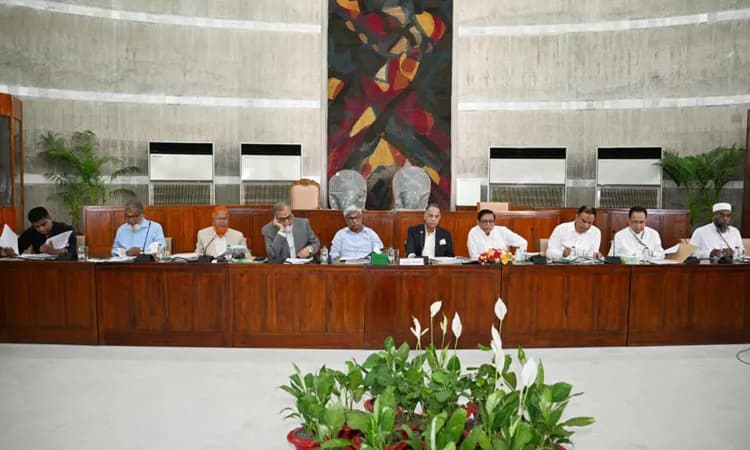
As the nation grapples with an emerging energy deficit, a special parliamentary committee has reviewed critical infrastructure progress, the expansion of renewable energy, and sweeping updates to gas marketing policies.
Facing mounting pressure over the country’s energy landscape, the 13th National Parliament’s special committee convened its second critical meeting on Tuesday. Chaired by the Minister for Power, Energy, and Mineral Resources, Iqbal Hasan Mahmud, the session at the National Parliament House focused squarely on strategies to stabilize the nation’s vulnerable energy supply.
A major breakthrough announced during the meeting was the completion of the highly anticipated Chattogram-Dhaka oil pipeline. According to the ministry, this vital infrastructure project is now fully complete and will begin full-scale oil transmission by the end of June, marking a significant milestone in streamlining the country’s fuel logistics and reducing transportation bottlenecks.
Beyond immediate infrastructural fixes, the committee rigorously reviewed the progress of ongoing government projects designed to ensure uninterrupted power. A press release from the Parliament Secretariat highlighted that the session also brought new policies and directives to the table, aimed at rapidly expanding the country’s renewable energy footprint. State Minister for Power, Energy, and Mineral Resources Anindya Islam Amit, along with other key committee members, were present to scrutinize these developments.
In a bid to modernize sector regulations, the ministry informed the committee that the guidelines for establishing, operating, and managing filling stations are currently being overhauled to meet contemporary needs. Furthermore, the decade-old Gas Marketing Rules of 2014 have been officially updated and drafted as the new “Gas Marketing Rules-2026.”
Acknowledging the gravity of the ongoing situation, committee members engaged in a comprehensive review of the current energy deficit, sharing their critical observations. In a push for a unified approach, opposition members were explicitly urged to submit written recommendations. The committee resolved to compile these insights into a final, actionable report to be presented before Parliament.
The high-level session was attended by the Secretary of the Energy and Mineral Resources Division, the Secretary of the Parliament Secretariat, and other relevant officials. The discussions echoed a growing consensus among energy experts: massive infrastructural development, the rapid adoption of alternative fuels, and sweeping policy reforms are no longer optional, but absolute necessities for ensuring Bangladesh’s long-term energy security.

Discussion
No published comments yet. Be the first to join the discussion.