
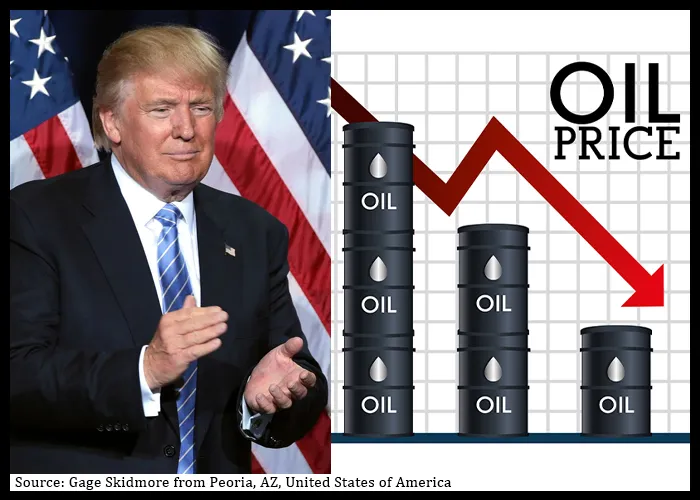
The global fuel oil market, which surged suddenly due to Middle East tensions surrounding Iran, has seen some relief following a shift in the United States’ stance.
Mounting military tensions in the Middle East centered around Iran had caused severe volatility in international oil prices. However, some stability has returned to the market after US President Donald Trump announced a temporary suspension of potential military strikes.
According to a BBC report, following Trump’s announcement, the price of Brent crude in the international market dropped from $112 per barrel to around $109.
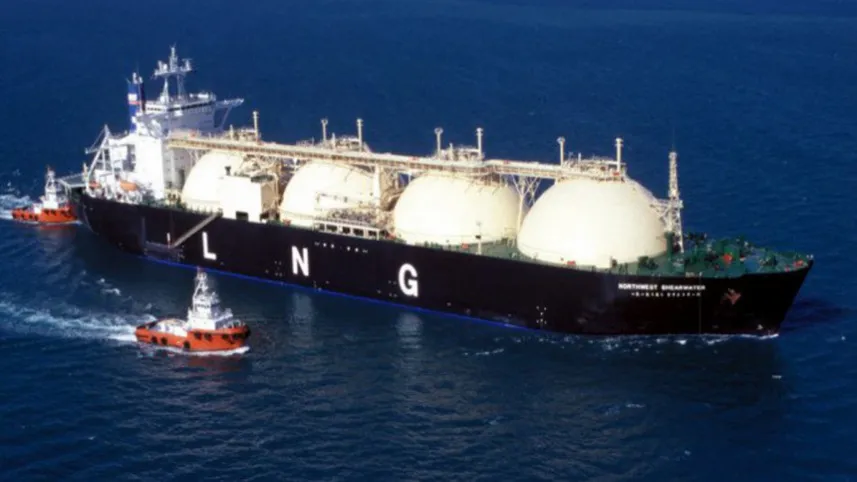
The fuel market has witnessed massive fluctuations over the past few days. Particularly in late February, in response to strikes by the United States and Israel, Iran effectively tightened its control over the Strait of Hormuz. This triggered supply concerns, as approximately 20 percent of the world’s oil and liquefied natural gas (LNG) is transported through this critical waterway.
Analysts believe that any instability in the Strait of Hormuz has an immediate impact on global oil prices. Consequently, crude oil prices began to rise rapidly amid fears of supply disruptions.
In a social media post on Monday morning, Trump issued a stern warning to Iran, stating that major consequences await the country if it fails to make a swift decision. Following the publication of this statement, international oil prices rose further.
However, the situation changed later. Iranian media claimed that the United States agreed to temporarily ease some sanctions imposed on Iranian crude oil to foster an environment for talks, raising hopes for a potential diplomatic settlement.
Subsequently, Trump announced that potential military action had been put on hold for now at the request of the leaders of Qatar, Saudi Arabia, and the United Arab Emirates. He noted that discussions are moving toward an acceptable agreement between the two sides.
However, the US President simultaneously warned that a full-scale military operation could be launched at any time if the talks fail.
Analysts say that if the situation in the Strait of Hormuz does not return to normal quickly, it could create fresh pressure on the global economy. In particular, aviation, tourism, and import-dependent economies could face the most severe impact.
Discussion
No published comments yet. Be the first to join the discussion.