
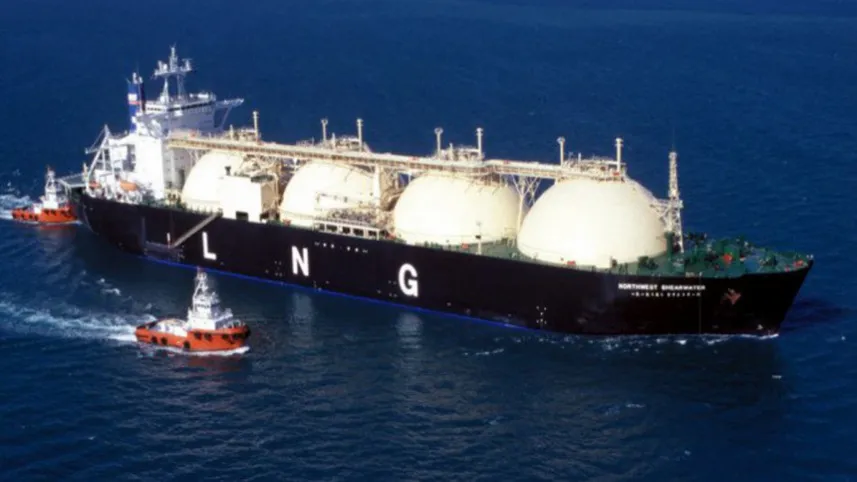
Deep beneath the soil of Gazipur lies a subterranean lifeline. In a defiant move to shatter the country’s crippling reliance on expensive, volatile imported liquefied natural gas (LNG), Bangladesh has officially launched a relentless pursuit of its own buried wealth.
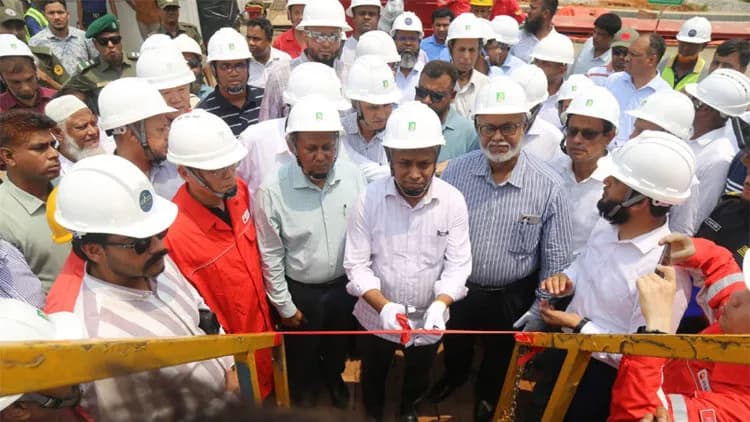
Yesterday, the battle lines for energy sovereignty were drawn. State Minister for Power, Energy, and Mineral Resources, Anindya Islam Amit, thrust the operation into motion, inaugurating an aggressive appraisal-cum-development drilling campaign at the Kamta Gas Field. This isn’t just another routine infrastructure project—it is a feverish race to secure the nation’s industrial heartbeat.
The 10-Million-Cubic-Foot Prize
The mission is clear, and the stakes are astronomical. Once the heavy drills pierce the earth and testing concludes, the Kamta-2 well is projected to pump a massive 10 million standard cubic feet of gas per day (MMCFD) directly into a starving national grid. For an economy gasping for uninterrupted power, this domestic injection is nothing short of vital armor.
Tasked with executing this high-pressure operation is the Bangladesh Gas Fields Company Limited (BGFCL), operating under the commanding eye of Petrobangla. Their deadline to strike paydirt? A razor-thin six months.
A Tk 1,255 Crore War Chest for Independence
Minister Amit didn’t mince words at the launch: this initiative is the spearhead of a broader, aggressive strategy to drag the nation out of the suffocating grip of international energy markets. Kamta-2 is just one front in a much wider war.
To fund this, the government has unlocked a colossal Tk 1,255 crore war chest—greenlit by ECNEC on February 2. This financial firepower is fueled by Tk 872.20 crore directly from state coffers, with BGFCL putting up the remaining Tk 382.80 crore.
The Grand Strategy
The master plan involves plunging four deep wells into the earth—three in the historic Titas stronghold and one in Kamta. But the offensive doesn’t stop at the drill bit. This sprawling operation will pull elite foreign consultants into the fold, forge vital new gas-gathering pipelines in Titas, and demand the rapid construction of a state-of-the-art process plant at Kamta.
As the heavy machinery finally roared to life, the sector’s top brass stood watch. Petrobangla Chairman Md. Abdul Mannan, BGFCL Chairman Mohammad Mohsin, and Managing Director Engineer Md. Abdul Jalil Pramanik were all on the ground—a stark visual of the immense national weight resting on a single, crucial patch of earth in Gazipur.
Discussion
No published comments yet. Be the first to join the discussion.