
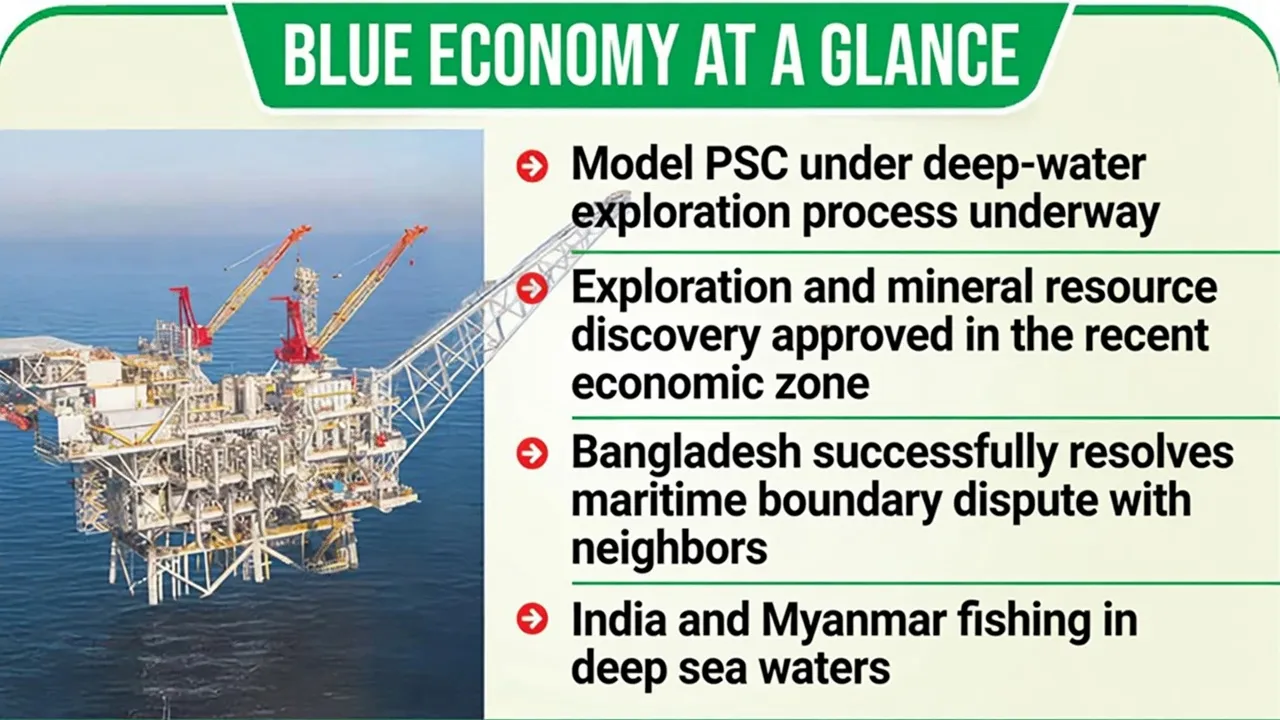
Shaking off nearly two decades of stagnation, the Bangladesh government is gearing up for a major push into offshore energy exploration. Official sources within the Ministry of Power, Energy, and Mineral Resources confirm that an international tender for deep-sea oil, gas, and mineral exploration in the Bay of Bengal is expected to be floated within the next few days.
The momentum follows the Cabinet Committee on Economic Affairs’ recent approval of the ‘Bangladesh Offshore Model Production Sharing Contract (PSC) 2026’. With this regulatory framework cleared, preparations for the international bidding process have entered their final phase.
Overcoming Past Inertia
Ministry officials acknowledge that despite the vast potential of its maritime territory, Bangladesh has long failed to capitalize on these resources due to policy gaps, technical limitations, and bureaucratic apathy. A senior Energy Division official noted that while several initiatives were attempted in the past, bureaucratic tangles and geopolitical factors repeatedly derailed deep-sea exploration. If the current initiative succeeds, it will effectively end a 20-year drought in the sector.
Minister for Power, Energy, and Mineral Resources Iqbal Hasan Mahmud Tuku stated that the government’s primary objective is to slash import dependency by aggressively boosting domestic production. According to Petrobangla sources, the country’s last large-scale exploration initiative took place prior to 2006; subsequent efforts were highly limited in scope.
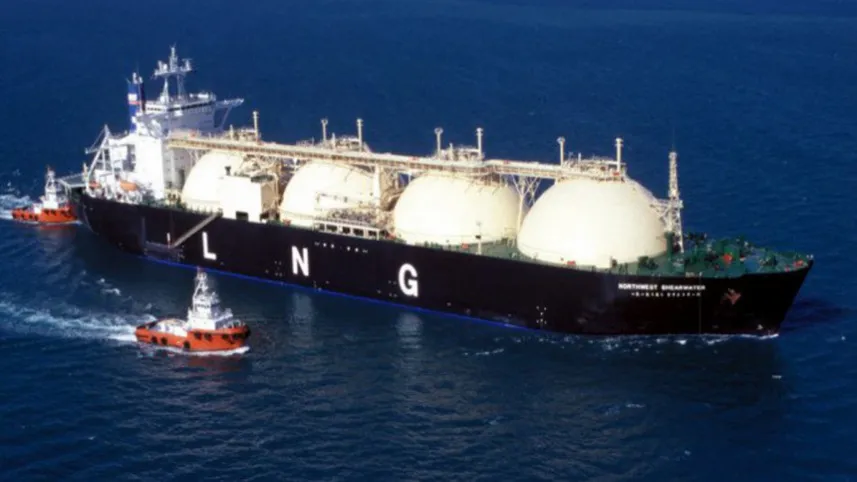
Experts have long criticized past policies that sidelined domestic exploration in favor of increasing reliance on expensive Liquefied Natural Gas (LNG) imports. Despite spending massive sums on LNG in recent years, effective steps to discover new gas fields were glaringly absent.
The Ticking Clock: Reserves and Regional Competition
The stakes for Bangladesh’s energy security are high. According to Ministry data, the country’s current recoverable gas reserves stand at roughly 7.63 trillion cubic feet (TCF). At the current rate of consumption, without major new discoveries, Bangladesh faces a severe domestic gas shortage within the next decade.
-
Regional Disparity: Following the resolution of maritime boundary disputes, neighboring India and Myanmar rapidly explored their waters, uncovering significant reserves. Bangladesh, however, has yet to fully utilize its legally secured maritime territory.
-
The Grid: According to Petrobangla, the country’s maritime zone is divided into 26 blocks—15 in the deep sea and 11 in shallow waters.
Petrobangla Chairman Erfanul Haque confirmed that the government is actively working on both short-term and long-term plans to accelerate exploration.
Dr. Ijaz Hossain, an energy expert and former professor at BUET, emphasized the urgency of the situation: “We must drastically reduce our reliance on imported LNG and rapidly scale up investments in domestic exploration. It is critical to expedite exploration not just onshore, but in the deep sea as well.”
Renewed Global Interest
While previous ventures by international giants—including ConocoPhillips (USA), ONGC (India), Santos (Australia), and POSCO Daewoo (South Korea)—yielded little notable progress, a renewed sense of optimism is brewing.
A recent joint seismic survey conducted by TGS (Norway) and Schlumberger (France) has highlighted highly promising gas potential in the deep sea. Officials state that these new findings have successfully revived interest among global energy firms.
The Broader “Blue Economy”
Beyond hydrocarbons, the Bay of Bengal holds immense untapped potential. Officials from the Ministry of Fisheries and Livestock note that despite the massive promise of the “blue economy,” Bangladesh has barely utilized a third of its marine resources. Effective planning and investment remain crucial to unlocking vast opportunities in deep-sea fishing, marine industries, and biotechnology.
Discussion
No published comments yet. Be the first to join the discussion.